


What is CBD? Definition, benefits, and scientific studies
Definition, mechanism of action, legality and practical benchmarks — the essentials of CBD in one clear guide.
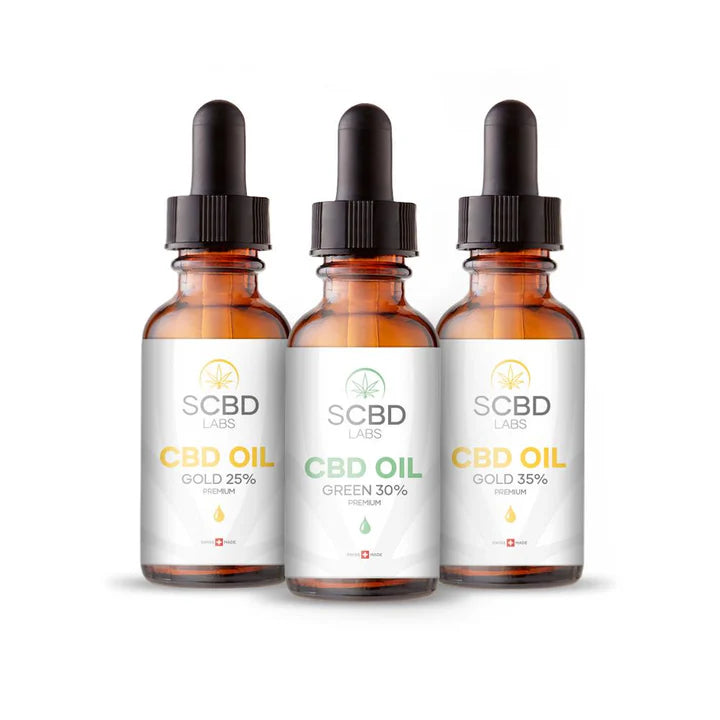
CBD (cannabidiol) is a natural molecule extracted from hemp. Unlike THC, it has no psychotropic effects and is not addictive. In Switzerland, CBD is legal if the THC content of the finished product remains below 1%, which allows for relaxing effects without euphoria.
01CBD, Hemp and THC
The cannabis plant contains over 100 phytocannabinoids. The most well-known are THC and CBD. THC primarily binds to CB1 receptors in the brain and induces psychotropic effects. CBD modulates the endocannabinoid system without euphoria, and can even mitigate some of THC's undesirable effects.
Hemp varieties rich in CBD and low in THC provide calming effects without altering perception.
02How CBD acts on the body
The endocannabinoid system (ECS) is a network of receptors and mediators that contributes to the body's homeostasis. It influences memory, mood, sleep, appetite, pain, immune response, and cardiac functions.
03Benefits explored by science
Stress and anxiety
Clinical work suggests an anxiolytic action, with a response that varies greatly depending on the dose. See our stress and anxiety products.
Sleep
By reducing stress and pain, CBD can promote more restorative sleep. Discover the Sleep collection.
Pain and inflammation
A long-studied area, whose recent conclusions call for more nuance than in the past. CBD solutions for pain.
Neurology
CBD is being evaluated in neurology, particularly via Epidiolex for certain severe epilepsies. Other avenues (Parkinson's, multiple sclerosis) remain under active research.
Want the full details, study by study?
Our reference article covers over 20 studies from 2020-2026, without sugarcoating anything.
04Safety and side effects
CBD is generally well tolerated. The most commonly reported side effects remain mild and transient: dry mouth, drowsiness, low blood pressure, occasional digestive issues. Drug interactions are possible via hepatic metabolism: consult a healthcare professional if you are on medication.
05Terpenes and entourage effect
Terpenes, aromatic molecules in hemp, can modulate the CBD experience. Some individual effects are well-documented (linalool for relaxation, myrcene for calming), but the precise synergy with cannabinoids still needs to be clinically confirmed, according to the most recent research.
06Guide by objective (non-medical benchmarks)
Sleep
Start with 5-10 mg, 30 to 60 minutes before bedtime (sublingual oil). Increase in increments of 5-10 mg as needed.
Mild stress and anxiety
5-20 mg/day split morning/evening, or occasional sublingual intake during peak stress.
Pain and stiffness
10-40 mg/day depending on intensity, slow progression. Can be supplemented with a local topical.
Skin and cutaneous comfort
Topical use, once or twice a day, on the targeted area.
Non-medical benchmarks — consult a professional if you are on medication.
07Quality and laboratory analysis
A good CBD product should allow verification of its cannabinoid profile (total CBD, total THC, presence of CBG/CBN/CBC), its purity (pesticides, heavy metals, residual solvents, microbiology) and its traceability (batch number, date, laboratory). Always demand a recent Certificate of Analysis (COA).
08Legality in Switzerland and Europe
In Switzerland, the sale of CBD products is authorized if the THC content is less than 1%. In the European Union, the most common limit is 0.3%, with variable national regulations. Always check local regulations.
09Frequently asked questions
Does CBD make you high?
No. Unlike THC, CBD has no psychotropic effects.
Is CBD legal in Switzerland?
Yes, if the THC content of the finished product is less than 1%.
Which form to choose?
Oils for a fast and adjustable effect, capsules for precise and prolonged dosage, infusions for a gradual effect, balms for local action.
Does CBD have side effects?
Generally rare and mild: drowsiness, dry mouth, low blood pressure. Drug interactions are possible.
10Go further
Cannabinoid guides
Our collections
Blog articles
This article contains general information for educational purposes and does not replace the advice of a healthcare professional. CBD is not a medicine and is not intended to treat, cure, or prevent any disease.